
It is important to say that in general the Havanese is a healthy breed. However, most dog breeds are prone to some health issues. With advances in testing, it is possible to significantly reduce the incidence of health issues.
As health testing has not been mandatory in the Havanese to date, there is incomplete data on health at present. However, we do know that incidences of issues such as hip dysplasia in the breed are statistically significant and this is why these issues form the basis of the RKC Health Standard. Other issues such as patellar luxation are also common in small dogs.
One major problem with how health is factored into breeds at present is that there are very limited links between health and show achievements. This means there are currently UK Havanese with hips in a dysplastic score range, which have achieved significant awards on the show bench and Stud Book status. We are strongly of the opinion that to achieve titles and status such as a Stud Book number, dogs must have passed the Good and Best Practice RKC health tests.
Health tests which are part of the RKC Health Standard

RKC Health Standard
We are very pleased that the Royal Kennel Club has, in 2025, published a Health Standard for Havanese. The ‘Good Practice’ category highlights the most critical tests as a starting point, while all breeders are encouraged to aim for the ‘Best Practice’ level by completing all recommended tests.
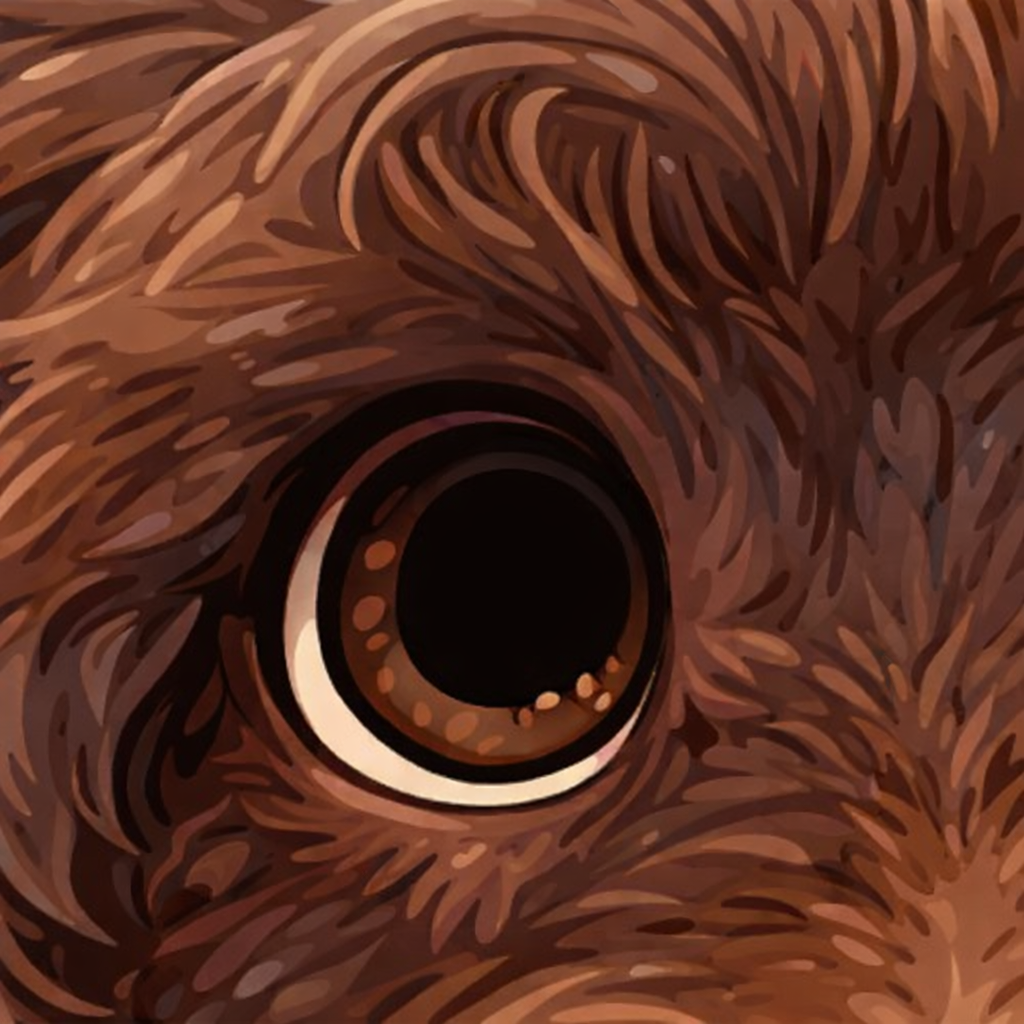
Eye Testing (Good Practice)
The BVA has an eye testing scheme. Havanese can be prone to a number of eye issues, including cataracts (the hereditary, juvenile form is of primary concern), prolapse of the gland of the third eyelid (cherry eye), retinal atrophy, retinal folds, distichiasis, persistent pupillary membranes, and vitreous degeneration. BVA do not recommend testing Havanese litters, as the test won’t show issues the breed is prone to.
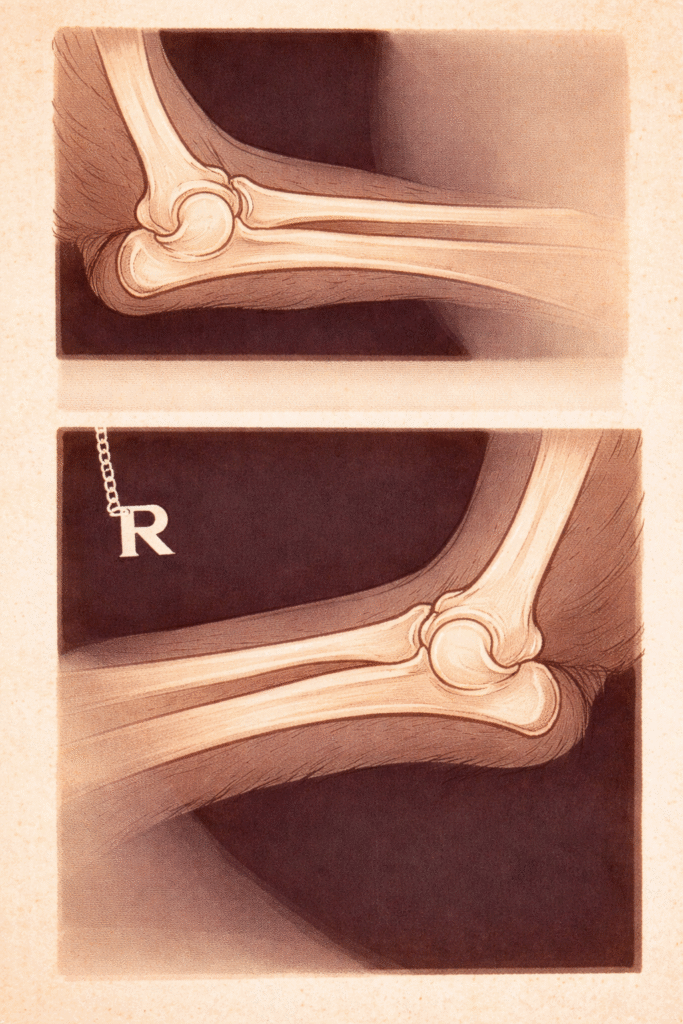
Elbow Dysplasia (Best Practice)
The BVA has an elbow testing scheme. The dog’s elbows are X rayed under sedation and a score is assigned to each elbow. Points are added for deviations from a perfect elbow. The ideal score is 0/0. The aim of screening is to ensure the dog does not have signs of dysplasia, as this has a genetic link.
Other health tests and issues
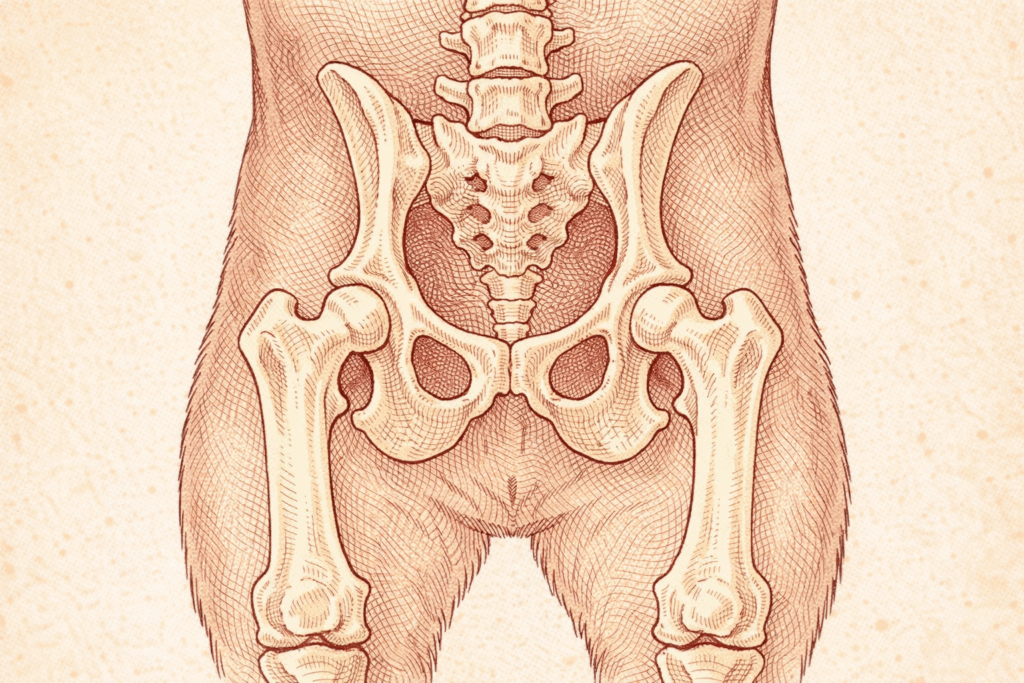
Hip Dysplasia & Legg Calves Perthes
The BVA has a hip testing scheme. The dog’s hips are X rayed under sedation and a score is assigned to each hip. Points are added for deviations from a perfect hip. It is rare for a dog to score 0/0. The aim is to ensure the dog does not have signs of dysplasia, as this has a strong genetic link, especially in this breed. The breed are also prone to Legg Calve Perthes which is a hereditary hip disorder affecting the blood supply to the femoral head, causing causing bone death, pain, and limping, typically in puppies 5-12 months old.
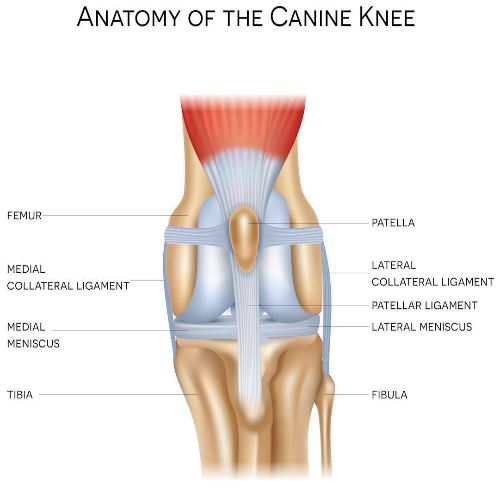
Patellar Luxation
Dogs can be prone to medial or lateral patellar luxation – this is where the knee cap comes out of the joint. It is graded on a scale of 0 to 4 for each knee, with 0 being normal and 4 being a joint that is permanently luxated.
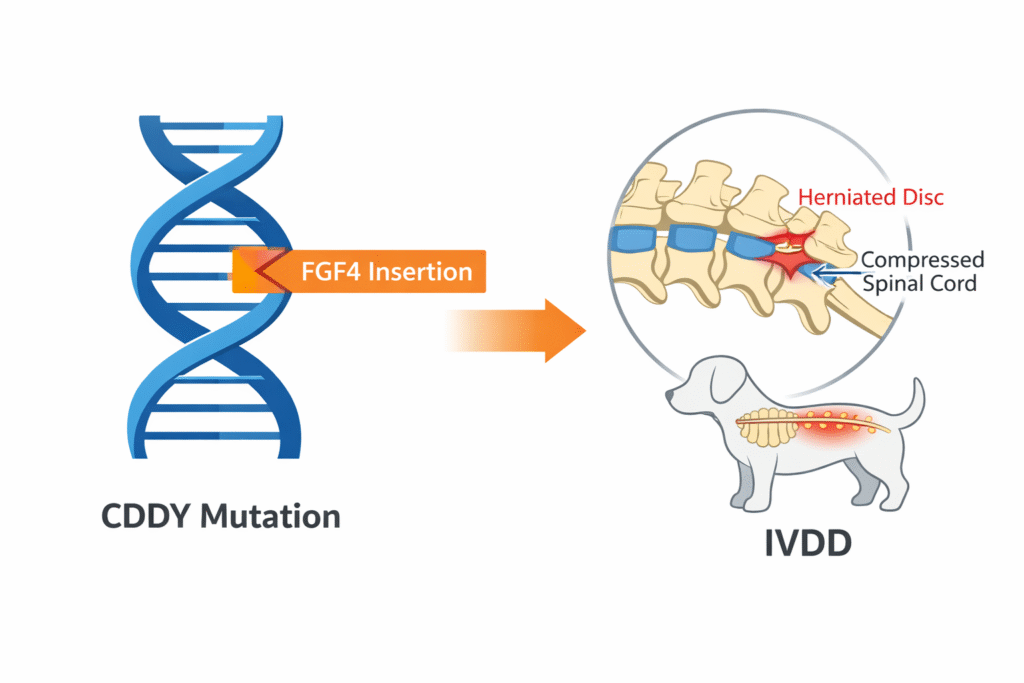
IVDD/CDDY
The vast majority have a gene that results in short legs – this is the CDPA gene. Some have a single or double copy of a CDDY mutation (chondrodystrophy gene) which may increase the risk of Intervertebral Disc Disease (IVDD). This gene can be tested for.